

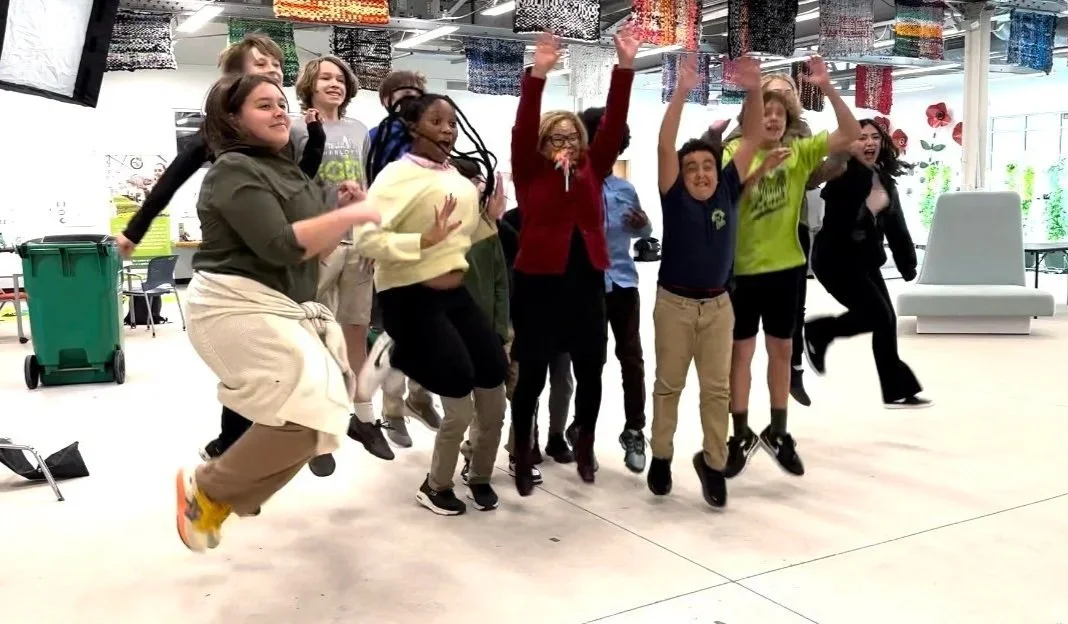
Spring Break Camp
We are offering an April Earth Month Spring Break Camp in 2026!
Our Spring Break Camp is a hands-on eco-friendly camp in Charlotte, NC, April 6–10, 2026! Campers will explore the circular economy, learn to recycle right, reuse materials, compost sustainably, and repair textiles to reduce landfill waste. Each day is packed with engineering design challenges, problem-based learning, and behind-the-scenes activities at the Innovation Barn, from sorting materials to reusing plastics, glass, and textiles, creating sustainable gardens, and designing eco-friendly projects. Campers leave with new skills, certificates, and projects that make a real impact on their community.
Register now for this unforgettable Spring Break adventure in sustainability!
Dates: 04/06/26 - 04/10/26
Times: 9 AM - 4 PM
Pick up and Drop off: 8 AM- 9 AM and 4 PM - 5 PM
Cost: $250 ($50 non-refundable deposit due at registration. Remaining $200 due 21 days before start of camp date.)
Cancellation Policy: Deposits are non-refundable. Full payment is due 21 days before the camp start date. Refunds (excluding the deposit) are available until that date; no refunds will be issued after that date.
Grades: K-6th
Meals: Boxed lunches and snacks are not included. A meal plan can be purchased for an additional $150 fee if purchased in advance. Meal plan includes 2 snacks, lunch, and drinks.
Camps
🏕️
Camps 🏕️
Summer Camps 2026
Give your child a hands-on, eco-friendly summer adventure! From plastics and textiles to ecology and robotics, campers ages 6–15 will explore the circular economy, recycling, upcycling, and sustainable design through fun, interactive projects.
Camps run Monday–Friday, 9 AM–4 PM, with early drop off from 8-9 AM and late pick-up from 4-5 PM. Extended options are available for an additional fee. Snacks and lunches are not included, but you can pre-purchase a food and drink package in advance. Each week ends with a showcase exhibit, where campers present their creations and inspire their community.
Cost: $250 per week per camper ($50 non-refundable deposit due at registration. Remaining $200 due 21 days before start of camp date.)
Cancellation Policy: Deposits are non-refundable. Full payment is due 21 days before the camp start date. Refunds (excluding the deposit) are available until the specified date; no refunds will be issued after this date.
Meals: Boxed lunches and snacks are not included. If needed, a meal plan can be purchased for an additional $150 fee if purchased in advance. The meal plan includes 2 snacks, lunch, and drinks.
Why Choose Circular Summer Camps?
Our camps combine STEM, ecology, textiles, robotics, and design thinking to empower campers with the skills and knowledge to make a tangible impact on their environment. Campers gain hands-on experience, problem-solving skills, creativity, teamwork, and a deeper understanding of waste reduction, recycling, and the circular economy
Camps for Ages: 5 – 8 Year Olds
-
Campers become plastic explorers, learning to identify, sort, and rethink plastics through hands-on activities including making bracelets, programming robots, and designing innovative plastic creations. The week concludes with the Plastic Solutions Exhibit, where campers showcase their designs and projects to family and friends, sharing creative solutions for reducing and recirculating plastic waste.
Highlights:
Plastic scavenger hunts, journals, and lab tours
Robotics design to sort plastics efficiently
Upcycling and creating new products from recycled plastics (keychains, bracelets, toys)
Learning about recycling, circular economy principles, and how plastics impact the environment
Presenting projects at a Plastic Solutions Exhibit
Learner Takeaways: Hands-on learning, team building, robotics and design skills, understanding of plastics, recycling, and circular economy solutions.
-
Young ecologists explore gardens, soil, bugs, composting, and aquaponics systems. Campers investigate how food, insects, and energy are interconnected and learn ways to reuse organic waste to support the circular economy. The week concludes with the Eco Innovation Exhibit, where campers share their ecological projects with families.
Highlights:
Creating living worm compost bins and potted plants
Insect, plant, and pollinator exploration
Mini aquaponics systems connecting fish and plants
Learning composting, soil health, and sustainable gardening
Presenting projects at the Eco Innovation Exhibit
Learner Takeaways: Hands-on ecological learning, composting, aquaponics, soil and plant science, teamwork, and sustainability education.
-
Campers explore textile and supply waste, turning old T-shirts, paper, cardboard, and broken items into new creations. Through design challenges, upcycling projects, and hands-on problem solving, campers develop practical solutions for everyday waste. The week concludes with the Creative Solutions Showcase, where campers present their innovative projects.
Highlights:
Textile design, upcycling, and repair of old items
Creating cardboard and paper projects
Sound panel projects exploring physics of noise
Tracking and analyzing personal waste through journals
Presenting creative solutions at the Creative Solutions Showcase
Learner Takeaways: Hands-on design and engineering skills, creativity, teamwork, understanding textiles and material reuse, problem-solving for sustainability.
Camps for Ages: 9-12 Year Olds
-
Older campers dive deeper into plastics innovation, exploring advanced robotics, 3D printing, and design thinking. They learn to identify, sort, recycle, and creatively repurpose plastics, culminating in a Plastic Innovation Exhibit to share their discoveries and solutions.
Highlights:
Advanced robotics with Dash or Botley for plastic sorting
Coding, algorithm development, and hands-on 3D printing
Designing eco-friendly creations and Eco Bricks from recycled plastics
Learning linear vs. circular economy principles and recycling processes
Presenting projects to family and community members
Learner Takeaways: Hands-on STEM skills, robotics and 3D design, problem-solving for sustainability, public speaking, and circular economy education.
-
Older campers explore ecosystem health, soil science, composting, aquaponics, and pollinator habitats. They design and build sustainable systems, learning how to recirculate organic waste and protect ecosystems. The week concludes with the Waste to Wonderful: Ecology Exhibit, highlighting innovative solutions for environmental stewardship.
Highlights:
Soil health and composting projects
Food web and ecosystem exploration
Building bee houses, aquaponics systems, and sustainable habitats
Learning how organic waste supports the circular economy
Presenting discoveries to family and community members
Learner Takeaways: Advanced ecological knowledge, hands-on STEM and sustainability projects, team collaboration, public presentation skills, and circular economy education.
-
Older campers take on advanced design challenges, exploring glass crushing, textile upcycling, cardboard repurposing, and creative inventions. They learn how to repurpose materials, save energy, and reduce community waste, finishing the week with the Textile Creative Solutions Design Exhibit to showcase their innovative projects.
Highlights:
Glass crushing and designing colorful recycled art
Upcycling T-shirts and repairing broken objects
Cardboard/paper reuse challenges and design solutions
Exploring sustainable material solutions and energy-saving practices
Sharing projects with families and community members
Learner Takeaways: Advanced design and STEM skills, creativity, circular economy knowledge, teamwork, and public presentation experience.